
Why Do Jor Bagh and Golf Links Fit the Private Wellness Lifestyle So Well?
Request a Private Consultation In Jor Bagh and Golf Links, privacy is not a preference that needs a long explanation....
Read More →
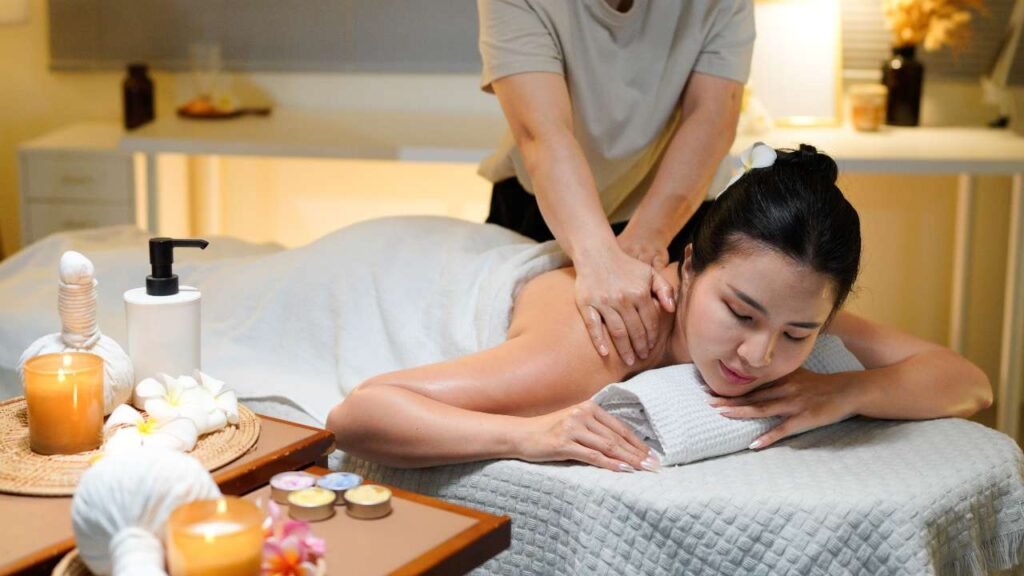
What Safe and Respectful Communication Looks Like Before a Massage Booking is not just about polite words. It is about whether a woman feels comfortable enough to continue the conversation. On luxemaletherapist, the first message is not a small detail. It is the first trust signal.
Before a woman books a wellness session, she is usually reading between the lines. She notices the words used. She notices the reply speed. She notices whether the provider sounds professional or casual in the wrong way. She notices whether the conversation feels clean or slightly uncomfortable.
This matters because personal wellness is not like ordering a regular service. A massage or body wellness session involves physical comfort, personal space, privacy, timing, and trust. If the communication feels off before the session, the client may already feel guarded before anything begins.
Safe communication is not dramatic. It is calm. It answers what needs to be answered. It does not create pressure. It does not make the woman feel like she has to explain too much. It gives her enough information to decide without feeling chased.
That is where real professionalism begins.
A first message before a massage booking should feel simple and respectful. It should not sound like a sales pitch. It should not sound like a personal chat. It should not feel like the provider is trying too hard.
A good first response usually does three things well.
It confirms the client’s enquiry.
It explains the next step clearly.
It keeps the tone professional.
That is it. No weird energy. No unnecessary familiarity. No “madam trust me” chaos. Just clean communication.
For example, a woman may ask about availability for a home wellness session. A respectful response should mention the available slots, the type of session, the basic process, and any comfort preferences that need to be confirmed. It should not jump into personal questions or push her to book instantly.
The first message should make her think, “Okay, this feels properly handled.”
Safe communication feels controlled but warm. It is not cold, but it is also not too casual. The tone should feel human, composed, and service-focused.
A woman should feel that the provider understands boundaries without needing a long explanation. The conversation should never create emotional pressure, social pressure, or personal awkwardness.
Safe communication should feel:
This is where professionalism before the session begins becomes important. A premium experience is not created only during the appointment. It starts the moment the client sends a message.
If the tone feels safe before booking, the client is more likely to feel comfortable during the session.
A respectful booking conversation does not need too much information. It needs the right information.
The provider may ask for the preferred service, approximate location, preferred date and time, setting preference, and any comfort-related notes. That is enough to begin.
The conversation should not become personal unless the client chooses to share something relevant. Even then, the provider’s response should stay grounded and professional.
A professional booking conversation may include:
Booking Detail Why It Matters
Preferred service Helps guide the client toward the right wellness support
Home or hotel preference Helps plan arrival, privacy, and session setup
Preferred timing Keeps the process simple and practical
General location Helps confirm availability without asking for full address too early
Comfort preferences Helps personalise the session respectfully
Boundaries or sensitivities Helps avoid discomfort during the appointment
Confirmation process Helps the client know what happens next
The goal is not to collect personal details. The goal is to prepare responsibly.
Sometimes the problem is not what is said. It is what is implied.
A woman may feel uncomfortable if the provider sounds too familiar, asks unnecessary questions, sends too many messages, avoids explaining the service clearly, or uses language that feels vague. These are small signals, but they matter.
Respectful communication should avoid:
A woman should never feel that asking for clarity makes her difficult. In a good wellness experience, clarity is welcomed.
Price matters, but tone often matters first.
A woman may be willing to pay more for a service that feels safe, private, and professionally handled. But if the communication feels careless, even a lower price will not help. In personal wellness, trust is part of the value.
Tone tells the client whether the provider understands the nature of the service. It tells her whether she will be respected. It tells her whether she can ask questions without being judged. It tells her whether the provider knows where the professional line is.
Good tone feels steady. Poor tone feels noisy.
A premium booking conversation should not feel like bargaining in a chaotic marketplace. It should feel like a calm, respectful exchange where the woman stays in control of her decision.
Privacy begins before the address is shared.
Many women do not want to reveal too much too early. That is normal. A provider should be comfortable sharing basic service information before asking for full location details. The client should be able to ask questions, understand the process, and decide whether she feels comfortable.
This is especially important for women who want privacy while arranging a home session. A home wellness booking can feel sensitive because it involves personal space, timing, household privacy, staff visibility, building entry, and post-session communication.
A privacy-first conversation should keep things simple:
Privacy is not created through big promises. It is created through restraint.
Home wellness requires extra care because the session happens in the client’s personal environment. The provider must understand that entering someone’s home is not casual. It requires etiquette, timing, and quiet professionalism.
Before a home session, communication should clarify:
The provider should not make the client repeat herself unnecessarily. The booking should feel organised.
For home sessions, even simple things matter. A message before arrival should be brief and practical. A call should happen only if needed. The exit should be professional. Follow-up should be minimal and respectful.
Safe communication helps the woman feel that her home remains her space, not a performance zone.
Hotel wellness sessions require a slightly different privacy standard. The woman may be travelling, attending an event, preparing for a wedding, recovering after work pressure, or simply choosing a neutral private setting.
Communication should remain discreet and practical. There should be no loud explanation, no unnecessary calls, no casual assumptions, and no awkward public coordination.
A hotel booking conversation may cover:
The provider should not ask intrusive questions about why the client is staying at the hotel or who she is with. Not relevant. Not needed. Not premium.
Some women carry public visibility even in private life. They may be known in their community, workplace, family circle, industry, neighbourhood, or social group. For them, privacy is not paranoia. It is practical self-protection.
A socially visible woman may not want staff asking questions. She may not want building security to know unnecessary details. She may not want repeated calls. She may not want messages popping up at the wrong time. She may not want a provider who behaves casually after the session.
That is why quiet wellness choices for visible women depend so heavily on communication. The service may be private, but the communication around it must be even more careful.
A premium provider understands this without making the client explain it.
A woman should pay attention to how she feels during the conversation. If the communication creates confusion, discomfort, or pressure, that is important information.
Common red flags include:
This is why avoiding unclear wellness listings matters. Low-trust communication usually shows itself before the appointment. The client only needs to notice it.
A good provider makes the client feel calmer, not more alert.
Green flags include:
The best sign is simple: the woman feels she can say yes, ask another question, or say no without being made uncomfortable.
That is a healthy communication environment.
A safe booking flow should be easy to understand.
The client may share the service she is considering, her preferred day, and whether she wants a home or hotel session.
She does not need to explain her entire personal situation.
The provider replies with availability, basic service information, session duration, and the next step.
The tone should remain professional and calm.
The client may share whether she prefers light or firm pressure, silence or minimal conversation, aromatherapy or no fragrance, and any areas of discomfort.
The provider should receive this information respectfully.
Full address or hotel details should be confirmed only when the client is comfortable. Arrival communication should be simple and discreet.
After the session, follow-up should remain respectful. A simple thank-you or care note is enough. Repeated messages are not professional.
luxemaletherapist should stand for calm, respectful, women-first communication. The brand should make the client feel that her comfort matters before the booking is confirmed.
The experience should not feel transactional in a cold way, but it should remain professionally held. There is a difference between warmth and overfamiliarity. A premium provider knows that difference.
The booking process should feel:
A woman should never feel that she has to manage the provider’s tone. She should never feel that she has to correct the communication. She should feel that the standard is already in place.
Luxury is often misunderstood as décor, price, or presentation. In personal wellness, real luxury is emotional ease.
A woman should feel safe before she opens her home, shares her location, confirms her time, or chooses a service. She should know what to expect. She should know how communication will happen. She should know that boundaries will be respected.
When communication is respectful, the session begins with trust instead of tension.
That is the whole point.
What Safe and Respectful Communication Looks Like Before a Massage Booking is really about one thing: whether the client feels respected before the appointment begins.
A safe booking conversation should be clear, calm, discreet, and professionally handled. It should answer practical questions without becoming personal. It should protect privacy without making the process feel secretive. It should help a woman feel in control of her comfort.
For luxemaletherapist, this kind of communication is not an extra feature. It is the foundation of a women-first wellness experience.
The right message can create trust. The wrong message can end the booking before it starts.
It should be clear, respectful, brief, professional, and focused only on service details, timing, comfort, and privacy.
Because the first conversation helps a woman judge whether the provider is professional, safe, discreet, and respectful.
She may share the service type, preferred time, general location, home or hotel preference, and comfort-related needs.
A provider should avoid unnecessary personal questions, private lifestyle questions, suggestive questions, or anything unrelated to the session.
Professional providers communicate clearly, respect boundaries, answer questions calmly, and do not pressure the client to book quickly.
Pushy messages, vague service details, overfriendly tone, repeated calls, unclear boundaries, and unnecessary personal questions are common red flags.
Yes. It should be complete but not excessive. A respectful provider asks only what is needed.
Because the client may be sharing personal space, timing, location, and comfort preferences, all of which require discretion.
Arrival details should be confirmed clearly and quietly, with minimal calls and no unnecessary public explanation.
luxemaletherapist should support women through calm messaging, clear boundaries, discreet coordination, and a professional booking process.