Why Do Jor Bagh and Golf Links Fit the Private Wellness Lifestyle So Well?
Request a Private Consultation In Jor Bagh and Golf Links, privacy is not a preference that needs a long explanation....
Read More →
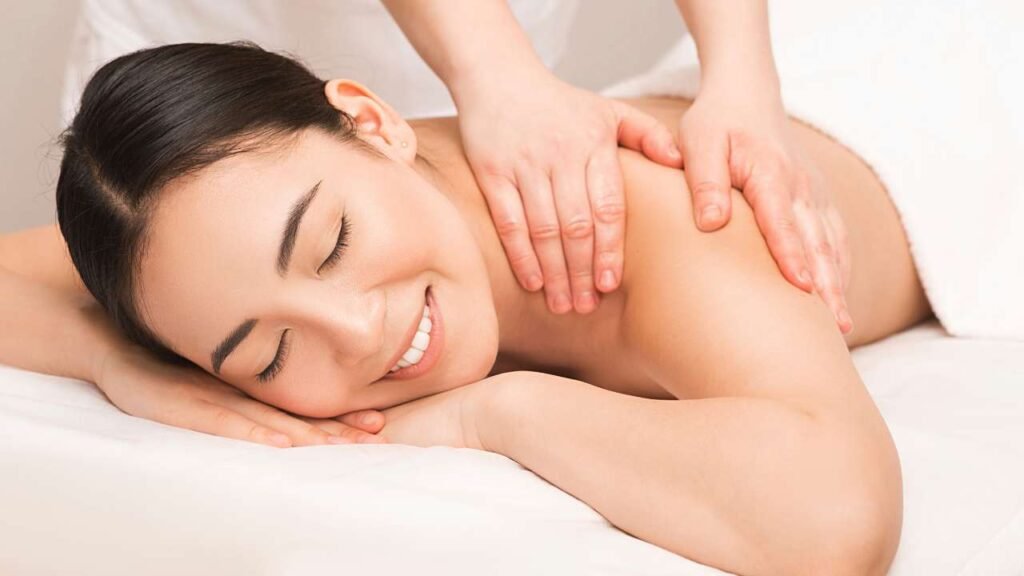
On luxemaletherapist, Why Women With Social Visibility Prefer Discreet Wellness at Home is not treated as a dramatic question. It is a very real concern for women who are known in their social circles, respected in professional spaces, visible in family networks, or simply careful about who sees what part of their personal life. For many such women, in home luxury wellness sessions feel more suitable than walking into a public wellness space where recognition, awkward encounters, or unwanted attention can quietly disturb the entire experience.
A woman may not be famous in the celebrity sense and still be socially visible. She may be a founder, a senior professional, a consultant, a public-facing business owner, a bride from a well-known family, a woman active in elite social circles, or someone whose family and professional world overlap too closely. In such lives, privacy is not paranoia. It is basic self-protection.
Wellness should not feel like another performance. It should not require managing glances, explaining choices, or worrying about who may notice an appointment. For visible women, the deepest luxury is often not marble flooring, imported oils, or a five-star lobby. It is being able to relax without being watched. Honestly, that is the real soft life upgrade.
Women with social visibility often carry an invisible pressure: they are expected to look composed even when they are tired, gracious even when stressed, and available even when emotionally drained. Their public image may be polished, but their private need may be simple: silence, care, decompression, and a space where nobody is analysing them.
This is where discreet wellness at home becomes meaningful. It removes the social theatre from self-care. There is no reception desk. No familiar face in the waiting area. No awkward “Oh, you are here too?” moment. No need to explain why she is seeking a wellness session.
Recent consumer wellness research shows that wellness is becoming more personal, routine-based, and individualised, especially among younger and urban consumers who do not see wellness as an occasional indulgence but as part of regular life. For socially visible women, that personalisation often includes privacy, timing, location, and emotional comfort.
There is a big difference between secrecy and discretion. Secrecy carries shame. Discretion carries dignity.
A visible woman may prefer private wellness at home not because the service is questionable, but because her personal recovery time is nobody else’s business. Her body stress, emotional fatigue, schedule pressure, and need for calm do not need public commentary. Private wellness protects that boundary.
This is why Privacy, Boundaries & Discretion becomes more than a trust page. It becomes the emotional foundation of the service.
A public spa or wellness centre may look luxurious, but it can still feel socially crowded. For a woman who is easily recognised or who belongs to a closely connected professional or social circle, even a premium environment may not feel truly private.
Sometimes the issue is not the quality of the service. It is the exposure around the service.
A woman may worry about being seen entering, waiting, interacting, or leaving. She may also feel uncomfortable with staff movement, shared areas, or unclear privacy practices. At home, the session begins and ends within her chosen environment, which naturally reduces social friction.
Home has a different nervous system effect. The body often softens faster in a familiar room than in a new commercial setting. A woman does not need to drive, manage parking, wait among strangers, or return home immediately after a deeply relaxing session.
This matters because wellness is not only about what happens during the appointment. It is also about how the woman feels before and after it.
If she has to spend half the session mentally checking whether someone will recognise her, the whole point goes out the window. Luxury, meet logic.
Discreet wellness at home works because it gives the woman more control over the experience. Control is not rigidity. It is the freedom to feel safe enough to relax.
For socially visible women, the idea of “comfort” is layered. It includes privacy, professional behaviour, clear boundaries, time control, and confidence that the service will remain respectful from first message to final exit.
Home wellness removes the unnecessary visibility of a public appointment. There are no shared waiting areas, no public reception conversations, and no chance of running into someone from the same building lobby, club, office network, or social circle.
This alone can make the experience feel calmer.
At home, the woman can choose the room, lighting, temperature, timing, and level of privacy. She can decide what feels comfortable and what does not. She does not have to adjust herself to the environment; the experience adjusts to her comfort.
That is one reason a more private way to work with a male wellness professional can feel more appropriate for women who want personal wellness without public exposure.
Many women already carry heavy schedules. Between work, family, events, calls, travel, and social obligations, the idea of travelling for relaxation can feel like a cosmic joke. “Go relax, but first sit in traffic for forty-five minutes” is not wellness. It is character development.
In-home wellness removes that extra burden. The woman does not need to travel before or after the session. She can remain in a quieter state once the appointment ends.
The period before a session matters. If a woman feels anxious, unsure, or exposed, her body may remain guarded. A private home setting gives her time to settle. After the session, she can rest, hydrate, pause, or remain quiet without immediately re-entering public life.
That post-session privacy is especially valuable for women who are emotionally or physically exhausted.
Luxury without trust feels hollow. A polished website, elegant wording, and premium visuals may create interest, but they do not create comfort by themselves. For private wellness, trust is built through clarity.
A visible woman usually does not want vague promises. She wants to know who is coming, what the session includes, what the boundaries are, how communication works, and how her privacy will be protected.
Before booking, the tone of communication tells a woman a lot. Is the response professional? Is the language respectful? Are the details clear? Is there pressure? Are boundaries explained without awkwardness?
This is why respectful pre-booking communication matters so much. The first conversation often decides whether the woman feels safe enough to proceed.
Clear communication should cover timing, service format, location, expectations, boundaries, payment clarity, privacy, and what the woman can expect during the session. Nothing should feel coded, vague, pushy, or uncomfortable.
Boundaries should not suddenly appear during the session. They should be visible from the first interaction.
Professional wellness for women must be consent-led, calm, and clear. The woman should not feel responsible for “figuring out” what is appropriate. The provider should make the framework clear in advance.
This is especially important when a woman is booking a male therapist. A Women First Wellness Experience should make comfort, consent, privacy, and dignity central to the entire process.
Low-trust wellness options often create discomfort through vague descriptions. When language is unclear, women are forced to guess. Guessing creates anxiety. Anxiety blocks relaxation.
A good private wellness experience should not leave the woman wondering what a phrase means, what a service includes, or whether the professional understands boundaries.
Direct, respectful, non-suggestive communication creates safety.
Women with visibility are usually more cautious because the personal cost of a poor decision can feel higher. A bad booking is not just inconvenient; it can feel unsafe, embarrassing, or reputationally uncomfortable.
Many women have become more careful about digital listings, anonymous providers, unclear reviews, vague photos, and unprofessional communication. Broader privacy research also shows that people are increasingly concerned about how personal information is handled, which makes discretion and trust especially important in personal service decisions.
A listing may look premium but still fail the trust test. No clear identity, no professional language, no privacy standards, no boundary explanation, and no transparent booking flow can make a woman pause.
That pause is wise.
Before inviting anyone into a private home, a woman should feel confident that the service is legitimate, respectful, and professionally managed.
If the first reply feels casual in the wrong way, overly familiar, unclear, or pushy, trust drops immediately. Women often sense discomfort quickly, even when they cannot explain it in formal language.
That instinct should be respected.
This is where checking for low-trust wellness signs before booking becomes important. A woman should not ignore small red flags just because the service looks convenient.
Visible women often prefer providers who explain services clearly. They may not want dramatic marketing. They want calm detail.
What is the session for?
How does the booking work?
What are the boundaries?
What is not included?
How is privacy handled?
How does the therapist conduct himself?
Clarity is comfort. Vagueness is not luxury; it is a red flag wearing perfume.
A thoughtful woman does not book only because a service looks premium. She checks the process. She notices tone. She reads between the lines. She asks the questions that protect comfort before the appointment begins.
The woman should know who the therapist is, how the session is handled, and what professional standards are followed. A private wellness appointment should never feel mysterious in a bad way.
The service should be explained in plain, respectful language. If the woman is booking a relaxation, body wellness, or stress relief session, she should know what the focus is and what the boundaries are.
Boundaries should be clear before the booking is confirmed. This protects both the client and the therapist. It also allows the woman to relax because she does not have to manage the emotional labour of setting every limit during the session.
A women-first service should consider emotional ease, privacy, pacing, communication, and personal comfort. It should not simply be a generic wellness session placed in a woman’s home.
This is why what thoughtful women ask before allowing a therapist into their private space is such an important consideration. The question is not only “Can I book?” It is “Do I feel safe, respected, and clear before I book?”
Location changes the meaning of privacy. A woman in a dense social or professional environment may require a different level of discretion compared with someone in a quieter neighbourhood. In Delhi NCR and Mumbai, social visibility can be surprisingly tight. People know people. Staff know staff. Neighbours notice things. Drivers talk. Reception desks remember. The whole ecosystem can be a little too observant.
That is why private wellness is not only about the service; it is also about the setting.
For women exploring male therapist for women in Delhi, privacy and convenience often go together. A woman may want a session that fits around work, family, events, or travel without turning wellness into a public activity.
Delhi’s social and professional circles can be highly connected. A woman may prefer a discreet home appointment simply because it allows her to protect personal time without unnecessary visibility.
In premium residential areas, privacy expectations can be even higher. Women may want calm arrival, respectful communication, and a session that does not draw attention.
For example, private wellness support in South Delhi homes may feel more suitable for women who want comfort without the social exposure of a public wellness venue.
Some women prefer home because it feels personal, familiar, and controlled. Others prefer hotel wellness because it creates distance from family spaces, household staff, or residential visibility.
Both can work when the service is professional. The key is choosing the setting that feels emotionally safer for the woman.
This is where In Home vs Hotel Wellness Sessions becomes useful because the right choice depends on privacy needs, schedule, comfort level, and personal boundaries.
Discreet wellness at home should never feel secretive, confusing, rushed, or awkward. It should feel calm, structured, and dignified.
The woman should feel respected from the first message. She should understand the service. She should know what will happen. She should feel comfortable asking questions. She should feel free to say yes, pause, clarify, or decline.
Professionalism is the backbone of private wellness. It shows in punctuality, language, grooming, preparation, conduct, and the ability to maintain respectful boundaries without making the woman feel tense.
The tone of the experience should be soothing. Not overfriendly. Not performative. Not vague. Just calm, clear, and reassuring.
Consent should not be treated as a formal checkbox. It should be part of the rhythm of the session. A woman should feel that her comfort matters throughout the experience.
Visible women are often used to rushing through life. A discreet wellness session should create a sense of pause. The pace should not feel mechanical or transactional.
Emotional safety means the woman does not feel judged, watched, pressured, or socially exposed. She can relax without managing anyone else’s expectations.
Discreet wellness at home may be especially suitable for women who want privacy, calm, and personal comfort without public visibility.
This includes women who are socially known, professionally visible, family-facing, or active in circles where privacy matters.
Senior professionals, founders, consultants, doctors, lawyers, creators, and executives may not always have the time or emotional bandwidth for public appointments.
Some women do not want a busy spa environment. They want quiet, warmth, respectful service, and the ability to rest after the session.
A bride before the wedding may be surrounded by family, events, fittings, planning, photos, and expectations. For her, private wellness can be less about indulgence and more about emotional regulation.
Some women only feel comfortable when everything is clear. That is not being difficult. That is being wise.
The remedy for booking anxiety is not to avoid wellness altogether. The remedy is to choose better.
A woman should not have to compromise privacy to receive care. She should not have to choose between relaxation and reputation safety. She should not have to wonder whether a provider understands boundaries.
The right private wellness service makes the process calmer before the session even begins.
Comfort starts with clarity. Before booking, the woman should understand the service, timing, location expectations, boundaries, and communication process.
A service can look beautiful online and still lack privacy. Women with visibility should choose providers who treat discretion as a real standard, not a decorative word.
A woman should feel comfortable asking questions before confirming anything. The tone of the response should create confidence.
Boundaries protect the quality of the session. They allow the woman to relax because she knows the framework is professional.
A women-first service understands that privacy, emotional comfort, and professional conduct are not extras. They are the service.
That is the deeper reason socially visible women prefer discreet wellness at home. They are not asking for something complicated. They are asking for wellness that respects the life they actually live.
Why women with social visibility prefer discreet wellness at home comes down to one truth: the more visible a woman’s life becomes, the more valuable her private comfort feels.
For such women, wellness is not just about relaxation. It is about choosing a space where they can release stress without being seen, questioned, judged, or socially exposed. It is about feeling safe enough to soften. It is about receiving personal care without turning that care into public information.
On luxemaletherapist, discreet wellness is built around that understanding. Privacy, respectful communication, professional boundaries, and women-first comfort are not minor details. They are the real luxury.
Women with social visibility often prefer discreet wellness at home because it protects privacy, reduces public exposure, and allows them to relax in a familiar environment.
No. It is also suitable for professionals, brides, entrepreneurs, socially known women, and anyone who values privacy during personal wellness.
Home wellness reduces waiting-room exposure, public movement, shared spaces, and the chance of being recognised during a personal appointment.
She should check communication style, service clarity, boundaries, professionalism, privacy standards, and whether the booking process feels respectful.
Boundaries create emotional safety and help the woman understand exactly what to expect before the therapist enters her private space.
Yes. In-home wellness can be helpful for working professionals because it saves travel time, protects privacy, and supports recovery within a familiar setting.
Yes. A calm home environment can make it easier for many women to decompress because they do not need to manage public visibility before or after the session.
A women-first wellness experience prioritises consent, privacy, respectful communication, emotional comfort, and professional boundaries from the beginning.
Yes. Clear communication before booking helps prevent confusion, reduces anxiety, and builds trust before the session starts.
luxemaletherapist focuses on professional communication, boundary clarity, women-first comfort, and discreet booking practices for private wellness experiences.