
Why Do Jor Bagh and Golf Links Fit the Private Wellness Lifestyle So Well?
Request a Private Consultation In Jor Bagh and Golf Links, privacy is not a preference that needs a long explanation....
Read More →
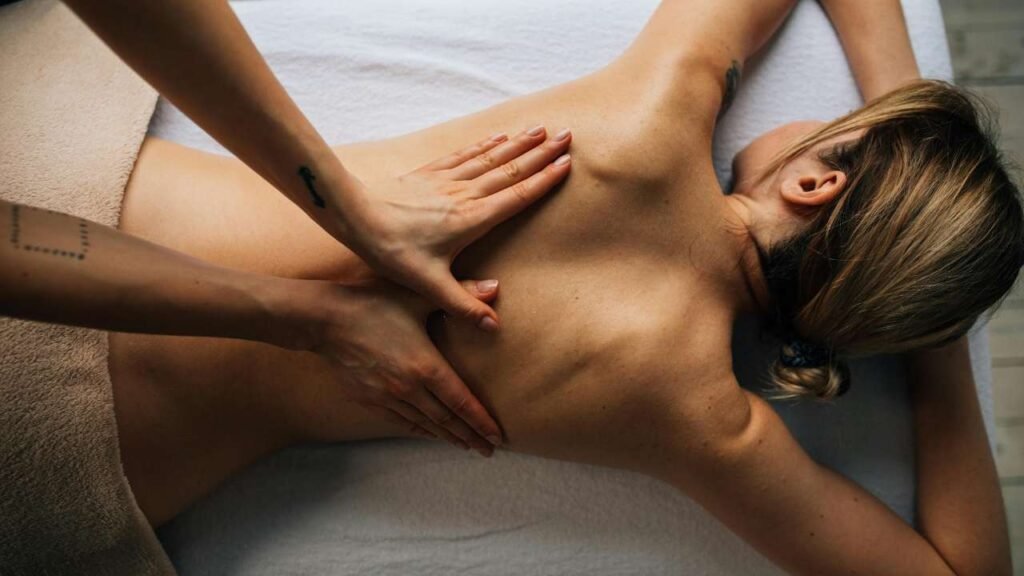
At luxemaletherapist, How a Good Private Wellness Experience Balances Comfort and Professionalism is about creating a private wellness session where a woman feels relaxed, respected, and fully at ease without the interaction becoming too casual. For anyone considering women-focused wellness with a professional male therapist, the real premium feeling comes from warmth with restraint, comfort with clarity, and care with proper boundaries.
A private wellness experience should not feel stiff, silent, or overly formal. But it should also never feel casual, blurry, or too familiar.
That balance matters.
Comfort helps a woman relax. Professionalism helps her feel safe. Comfort makes the session feel human. Professionalism makes the session feel trustworthy. When both work together, the client does not have to stay mentally alert, second-guess the therapist, or manage awkwardness.
A good private wellness session should feel like this: calm enough to soften, structured enough to trust.
That is the sweet spot. Very premium. Very grown-up. Zero chaos.
Comfort does not mean the therapist becomes overly friendly.
It means the woman feels heard, not handled. It means she is given enough time to settle. It means the tone is gentle but not personal in a way that feels uncomfortable. It means the session pace respects her body, mood, and emotional state.
Comfort also means the client does not feel rushed. She should not feel as if she has to adjust herself to the therapist’s rhythm. The session should adapt respectfully to her comfort level.
A well-balanced private wellness experience gives the client room to breathe. It allows her to ask questions, clarify preferences, and feel steady before the session begins.
That is where a women-first experience that lets comfort lead without losing structure becomes important.
Professionalism is not just a formal word.
It appears in small behaviours.
It appears in punctuality.
It appears in clean presentation.
It appears in respectful communication.
It appears in the way the therapist enters a private space.
It appears in how he speaks, pauses, listens, and maintains distance.
It appears in how clearly he keeps the session focused on wellness.
A professional therapist does not over-talk. He does not ask unnecessary personal questions. He does not make familiar comments. He does not assume comfort. He does not behave as if a private home or hotel room is a casual setting.
Professionalism gives the client confidence that the experience is being handled properly.
And that confidence is what allows comfort to deepen.
A private wellness session can feel personal without becoming invasive.
This distinction matters a lot.
Personal means attentive.
Invasive means overstepping.
Personal means noticing whether the client seems comfortable.
Invasive means assuming she is comfortable.
Personal means adjusting the pace respectfully.
Invasive means pushing conversation, contact, or familiarity beyond what the client has invited.
A woman can feel cared for when the therapist is calm, aware, and responsive. But the moment the experience becomes too familiar, too chatty, or too emotionally forward, the comfort can disappear.
This is why home wellness should feel personal without entering private territory is such an important idea for women-first wellness.
A good therapist does not make the client protect the line.
He already respects it.
Some people think boundaries make an experience feel less warm.
Actually, boundaries make warmth safer.
When a woman knows what the session includes, how communication works, how privacy is protected, and what professional limits are followed, she can relax more easily. She is not guessing. She is not wondering. She is not mentally scanning for possible discomfort.
Clear boundaries reduce emotional effort.
This is especially important in private wellness because the setting is more personal than a regular spa or clinic. The client may be at home, in a hotel, or in a private residence. The experience needs clarity because the environment itself is intimate.
That is why how privacy, personal space, and professional limits are protected should always be part of the service conversation.
Boundaries are not barriers.
They are the frame that makes comfort possible.
A good private wellness experience begins before the therapist arrives.
It begins with the first message.
The communication should be clear, calm, and mature. The client should understand the service without feeling pressured. She should be able to ask questions without the reply becoming defensive, vague, or over-friendly.
Good communication tells the client: this will be handled properly.
Poor communication tells her the opposite.
A woman may not say it directly, but she is often assessing tone before service. If the language feels unclear, exaggerated, suggestive, or careless, she may step away. If the tone feels composed and respectful, she is more likely to feel safe moving forward.
This is where why clean wellness positioning helps women feel safer before enquiry becomes highly relevant. Clear brand language makes the first conversation easier because the client already understands what the service stands for.
Premium clients are rarely impressed by big words alone.
They notice behaviour.
A brand may say “luxury,” but the client will notice whether the appointment is handled well. She will notice whether the therapist is punctual. She will notice whether communication feels polished. She will notice whether privacy is respected. She will notice whether the therapist understands when to speak and when to stay quietly professional.
In private wellness, conduct is the real luxury signal.
This connects with what premium women often notice before a private session even begins. A woman may decide whether the service feels suitable long before the session starts.
Luxury is not only what is offered.
It is how everything is carried.
A home wellness session can feel deeply comfortable because the client is in her own space.
But that same comfort comes with extra responsibility.
The therapist is entering a personal environment. The home may include family routines, staff movement, privacy concerns, personal objects, and emotional familiarity. The therapist must understand that the client’s space remains hers at every moment.
A good home session should never make the space feel taken over.
The therapist should keep conversation relevant, respect the chosen room, avoid unnecessary movement, maintain professional distance, and let the client set the pace. The visit should feel smooth, not intrusive.
That is why wellness support inside the client’s space without making the space feel taken over matters for women who prefer private comfort at home.
The home should still feel like her home.
Not like a service provider has entered and changed the energy.
Premium residential areas often come with a higher expectation of conduct.
In a place like DLF Phase 5, many women may prefer private wellness that feels quiet, refined, and low-noise. They may expect good timing, professional communication, respectful behaviour, and a therapist who understands privacy-conscious homes and residential environments.
The experience should not feel overly chatty. It should not feel vague. It should not feel like the client has to explain basic etiquette.
For such clients, private wellness around DLF Phase 5 with calm conduct and refined distance can feel more aligned with the lifestyle expectation.
Premium areas do not need louder service.
They need better judgement.
A private wellness experience should never assume comfort.
It should read comfort carefully.
Some women may prefer quiet. Some may want a little explanation. Some may need more time before settling. Some may want a more minimal interaction. Some may feel comfortable only after the process is clearly explained.
The therapist should not impose one style on every client.
Client-led comfort means the woman’s pace matters. Her preferences matter. Her questions matter. Her hesitation matters. Her silence also matters.
A good private wellness experience does not force a mood. It creates conditions where the client can arrive at ease naturally.
That kind of sensitivity is where professionalism becomes deeply human.
Women do not usually return to a wellness brand only because one session was relaxing.
They return because the experience felt safe, respectful, and consistent.
They return because the communication stayed professional.
They return because the therapist remembered boundaries.
They return because the session felt warm without becoming familiar.
They return because nothing felt awkward or unclear.
They return because the brand delivered what it promised.
This is why trusted wellness brands earn loyalty through consistent conduct matters. Repeat trust is built when the client knows the experience will feel steady each time.
Consistency is premium.
Predictability, in this context, is not boring. It is reassuring.
At luxemaletherapist, private wellness should feel calm, professional, and respectfully personal.
The brand should represent a women-first experience where comfort is protected through clear communication, privacy-aware conduct, and visible boundaries. The therapist should feel warm enough for the client to relax, but professional enough for her to trust the setting completely.
The experience should be polished without being cold. Personal without being intrusive. Premium without being performative.
The woman should not feel that she has to manage the atmosphere. She should simply feel that the service understands how to behave.
That is the standard.
How a Good Private Wellness Experience Balances Comfort and Professionalism comes down to one simple idea: a woman should feel cared for without ever feeling crowded.
Comfort gives the session warmth. Professionalism gives it safety. Boundaries protect the client’s ease. Privacy protects her mental space. Respectful conduct allows her to relax without having to stay alert.
At luxemaletherapist, a good private wellness experience should feel calm from the first message, respectful throughout the session, and cleanly professional until the final goodbye.
Because real premium wellness is not about being overly familiar.
It is about making the client feel safe enough to truly relax.
It balances both by offering warmth, calm communication, clear boundaries, privacy, and respectful professional conduct throughout the session.
Professionalism helps the client feel safe, respected, and confident, especially when the session happens in a private home or hotel setting.
Yes. It can feel personal when the therapist is attentive and respectful, but not over-familiar, intrusive, or casual.
Comfort creates ease and relaxation, while casual behaviour can blur boundaries and make the client feel unsure or exposed.
Boundaries make the experience clearer, safer, and more respectful by helping the client know what to expect.
A therapist should avoid over-familiar comments, unnecessary personal questions, vague behaviour, poor timing, and anything that makes the client uncomfortable.
Communication sets the tone for trust. Calm, clear, and respectful replies help the client feel more prepared before booking.
Yes. A home setting is more personal, so the therapist must show extra respect for the client’s space, privacy, and comfort.
They usually expect punctuality, privacy, clean presentation, respectful conduct, calm communication, and a clearly professional experience.
luxemaletherapist should focus on women-first comfort, privacy, respectful boundaries, professional communication, and service that feels personal without feeling invasive.