Why Do Jor Bagh and Golf Links Fit the Private Wellness Lifestyle So Well?
Request a Private Consultation In Jor Bagh and Golf Links, privacy is not a preference that needs a long explanation....
Read More →
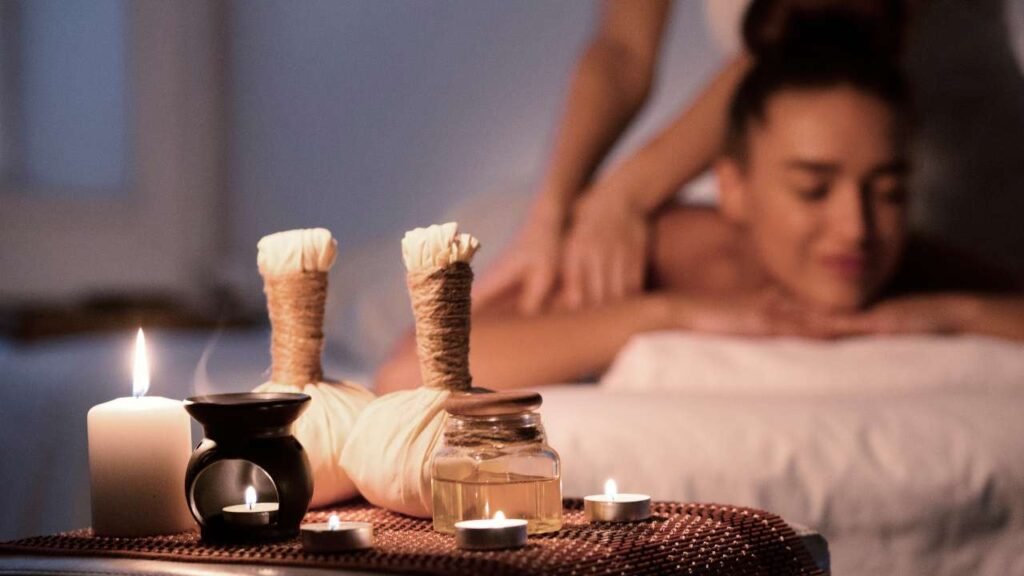
At luxemaletherapist, What Makes a Home Wellness Session Feel Personal Without Feeling Invasive begins with one delicate truth: a woman’s home is not just a service location; it is her private world. For women considering home-based wellness support that respects personal space, the experience should feel calm, thoughtful, and comforting without making the client feel observed, managed, or crowded.
A spa, salon, clinic, or hotel room has a service identity already built into it. A home does not.
A home carries routines, moods, memories, family presence, personal objects, household rhythm, and emotional familiarity. When a wellness session happens inside that space, the therapist is not just entering a room. He is entering the client’s private environment.
That is why home wellness needs more emotional intelligence than a regular appointment.
A woman may want the convenience of staying home, but she does not want the session to disturb the feeling of safety that her home gives her. She may want care, but she does not want her space to feel occupied. She may want attention, but she does not want the interaction to become too personal.
This is where the balance becomes important.
A home wellness session should add calm to the space, not change its energy in a way that feels awkward.
A good private wellness experience can feel personal without becoming familiar.
Personal means the therapist is attentive to comfort, timing, and pace. It means he notices when the client wants quiet. It means he communicates clearly without over-talking. It means he respects the environment without making comments that feel unnecessary.
Over-familiar is different.
Over-familiar means too many personal questions, too much casual conversation, unnecessary remarks about the home, or a tone that makes the client feel she has to manage the interaction.
Women usually notice this line very quickly.
The best private wellness providers understand that warmth should never erase the professional frame. This is why how private wellness keeps warmth and professional distance balanced matters so much in home-based care.
The client should feel cared for, not studied. Relaxed, not watched. Comfortable, not claimed.
In home wellness, the beginning of the session matters a lot.
The therapist’s arrival, greeting, tone, movement, and first few words can either reassure the client or make her feel guarded. A calm arrival shows respect. A clean and professional appearance creates confidence. A measured tone helps the client settle.
Nothing should feel rushed.
The client should not feel that her home has suddenly become a workplace controlled by someone else. She should still feel ownership of the space. The therapist is there by appointment, for a clear wellness purpose, and within a respectful professional frame.
That is the invisible etiquette of home wellness.
A good provider does not enter with loud energy. He enters with awareness.
A home wellness session becomes invasive when the therapist behaves as if the space belongs to the service.
That should never happen.
The client should decide where the session happens, what feels comfortable, how much conversation she wants, and what pace feels right. The therapist should not move around unnecessarily, comment on personal items, ask unrelated questions, or make the client feel observed inside her own environment.
This is why privacy, personal space, and respectful home boundaries are not small details. They are the foundation of comfort.
A woman should not have to protect her home from the service.
The service should already know how to behave inside her home.
A home wellness session feels personal in the right way when the client feels gently considered.
That can happen through small details:
• asking simple comfort-based questions before beginning
• keeping the tone soft but professional
• allowing silence without making it awkward
• respecting the client’s preferred pace
• staying focused on the wellness purpose
• avoiding unnecessary personal conversation
• checking comfort without over-checking
• leaving the space as calm as it was found
These details may look small, but they shape the entire experience.
The difference between personal and invasive is often not one dramatic moment. It is the accumulation of small behaviours. A good session makes the client feel, “This was handled with care.”
Not “I had to stay alert the whole time.”
Big difference. Huge. Premium difference, actually.
Boundaries are often misunderstood as something strict or cold.
In private wellness, boundaries make the experience softer.
When a client knows what the session includes, how communication will happen, how privacy is respected, and how the therapist maintains professional conduct, she can relax more easily. She does not have to guess. She does not have to monitor every moment. She does not have to wonder whether something will become uncomfortable.
Clear boundaries reduce mental effort.
This is especially important in home wellness because the environment is naturally more personal. The client may be more relaxed physically, but emotionally she still needs to know the experience is properly contained.
Boundaries create the frame. Comfort fills the frame.
Some women feel extra pressure when a service enters the home.
They may feel they need to host, explain, talk, offer extra attention, or make the space “ready” in a socially perfect way. That should not be necessary.
A professional home wellness session should not feel like entertaining a guest.
The therapist should make the experience easy for the client, not add performance pressure. The client should not feel responsible for managing mood, conversation, or awkwardness. She should simply be able to receive the session.
This is where professional wellness care built around women’s comfort becomes important. Women-first care means the emotional labour should not fall on the client.
She is not hosting.
She is resting.
A home session feels more comfortable when the booking process is clear and calm before the appointment.
The client should know what is being booked, how the timing works, how privacy is handled, and what to expect during the session. If the process feels messy, rushed, or overly persuasive, the home visit may already feel uncomfortable before it begins.
This is why why luxury wellness feels better when the process is structured instead of pushy connects naturally with home wellness.
A structured process gives the client confidence. Pushiness creates resistance.
Women who book private wellness at home usually do not want dramatic selling. They want clarity, patience, and respectful coordination.
Luxury is not pressure with nicer words.
Women with demanding routines often choose home wellness because it saves time and reduces effort.
They may be balancing work, family, travel, social events, health routines, staff schedules, children, meetings, or emotional fatigue. For them, wellness should not become another task that requires too much coordination.
A good home session fits smoothly into the day.
It should not involve repeated explanations, unclear timing, excessive messaging, or last-minute confusion. It should feel easy to arrange and peaceful to receive.
That is why how busy women choose wellness more selectively around demanding schedules is relevant here. Selective clients are not difficult. They are protecting their time and energy.
A good wellness brand respects that.
Premium residential pockets such as Sector 150 Noida often attract women who value space, privacy, and quieter living.
In such communities, a home wellness session needs to feel low-noise and respectful. The client may prefer calm coordination, discreet timing, and a therapist who understands the difference between entering a residence and entering a public service space.
That is where private wellness near Sector 150 Noida for quiet home-based sessions becomes relevant.
The expectation is not only wellness.
The expectation is careful behaviour inside a private residential lifestyle.
The setting is peaceful. The service should match that peace.
Repeat home sessions can be beautiful when handled correctly.
The therapist may understand the client’s preferences better. The communication may become smoother. The session may feel easier because the client does not have to explain everything again.
But familiarity should never turn into casualness.
A repeat client still deserves the same privacy, boundaries, and professional respect every time. The therapist may remember preferences, but he should not become over-personal. He may understand the rhythm, but he should not assume full comfort.
This is why why loyal clients return when the experience feels consistently respectful fits naturally with home wellness.
Trust grows when the experience stays respectful even after it becomes familiar.
A home wellness session can start feeling invasive when the therapist crosses subtle lines.
These may include:
• commenting too much on the home
• asking unrelated personal questions
• moving around without need
• creating too much conversation
• ignoring signs that the client wants quiet
• behaving too casually because the setting is home-based
• making the client feel she has to manage the atmosphere
• blurring the service purpose
• staying unclear about boundaries
• treating familiarity as permission
These behaviours may not look dramatic from outside, but they can make the client feel uneasy.
Private wellness depends on emotional ease. If the client feels she has to stay alert, the session has already failed its real purpose.
At luxemaletherapist, home wellness should represent calm, privacy, and respectful personal care.
The experience should feel warm but not overly familiar. Attentive but not intrusive. Professional but not cold. Private but not awkward. The woman should feel that her home, her comfort, and her boundaries remain fully respected.
The therapist’s role is not to dominate the space.
It is to support relaxation within the space the client already trusts.
That means clean communication, quiet conduct, clear boundaries, and client-led pacing. The session should leave the woman feeling lighter, calmer, and more at ease in her own environment.
That is the whole point of home wellness.
What Makes a Home Wellness Session Feel Personal Without Feeling Invasive is the ability to care without overstepping.
A woman’s home is personal. A wellness session inside it must be handled with sensitivity, restraint, and respect. The experience should feel thoughtful without becoming familiar, private without feeling tense, and comforting without making the client feel emotionally crowded.
At luxemaletherapist, home wellness should protect the client’s space as carefully as it supports her comfort.
Because the best home session does not make the home feel different.
It simply makes the woman feel calmer inside it.
It feels personal when the therapist is attentive, respectful, and client-aware, but not over-familiar, intrusive, or casual inside the client’s space.
Home wellness is more sensitive because the therapist enters the client’s private environment, where personal space and household comfort need extra respect.
A therapist should avoid unnecessary personal questions, casual comments, over-talking, unclear behaviour, and anything that makes the client feel observed or managed.
It can feel warm through calm communication, respectful listening, and client-led pacing while maintaining clear professional boundaries.
Boundaries help the client relax because she knows what to expect and does not have to manage uncertainty.
It can feel invasive if the therapist oversteps personal space, becomes too familiar, ignores comfort signals, or treats the home casually.
Busy women may prefer home wellness because it reduces travel, saves time, and fits more smoothly into demanding schedules.
Yes. Repeat sessions can feel familiar while still maintaining privacy, boundaries, respectful conduct, and professional distance.
Privacy protects the client’s comfort, personal space, household rhythm, and emotional ease.
luxemaletherapist should focus on respectful home etiquette, women-first comfort, privacy, professional boundaries, and calm session delivery.